Your team

Meet the Facial Redness Team

This site is led and medically reviewed by Yongbo Jia, MD, a dermatologist who is responsible for the medical content and who diagnoses and manages skin disease here. The other three physicians contribute what a red face often needs alongside that: the center’s medical standards and the handling of cases with a systemic cause, the aesthetic assessment of a face whose skin is settled, and the assessment and light-based treatment of a barrier that has been damaged and vessels that remain.

Specialist profiles

Who reviews this content

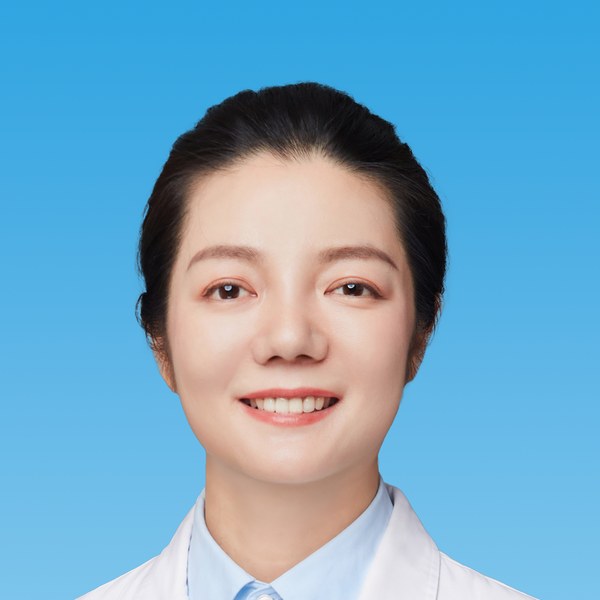
Yongbo Jia

Yongbo Jia (贾勇波)

Deputy Director & Head of Dermatology · Vice Chief Physician, Licensed Aesthetic Attending · Lead Physician of This Site

Dermatology of the face · flushing, persistent redness and barrier injury · the medical causes behind a red face

Dr. Yongbo Jia is Deputy Director of the Plastic Surgery & Aesthetics Medical Center and head of its dermatology service at Chongqing West District Hospital, and he is the physician responsible for this site. A vice chief physician and licensed aesthetic attending, he graduated from Chengdu University of Traditional Chinese Medicine and trained in dermatology at the Institute of Dermatology, Chinese Academy of Medical Sciences, and at Chongqing Hospital of Traditional Chinese Medicine.

On this site his part is the diagnosis rather than the device. He takes the history that separates a flush from fixed redness and a damaged barrier from a contact reaction, examines what the skin does under light and pressure, asks about the products being used and how they were introduced, and looks for the hormonal, thyroid and medicine-related causes that produce a red face without any skin disease being present. Where the pattern is being provoked, he treats the provocation first, and where a device is being considered he says plainly what it can and cannot reach. His stated discipline is to establish why the face is red before deciding what to do about it.

Clinical focus

  • Separating flushing, persistent redness, barrier injury and contact reaction
  • The product history, including how each item was introduced and how often it is used
  • Medical causes of a red face: hormonal change, thyroid disease and medicines
  • Topical and oral medical management of a persistent pattern, judged over time
  • When light and laser treatment has a place, and what it does not reach

Academic roles & achievements

  • Member, Jiusan Society
  • Member, Chongqing Integrative Medicine Skin & Beauty Committee
  • Advanced training at the Institute of Dermatology (Chinese Academy of Medical Sciences) and Chongqing Hospital of Traditional Chinese Medicine

Diagnosis before device

A red face can be provoked, irritated, reacting, hormonal or inflammatory, and each of those answers to a different step. A device applied to skin that is still being provoked does not address the cause, and the inflammation it produces can make the pattern worse. The history is short and it is where most of the diagnosis is made.
Shaoliang Wang

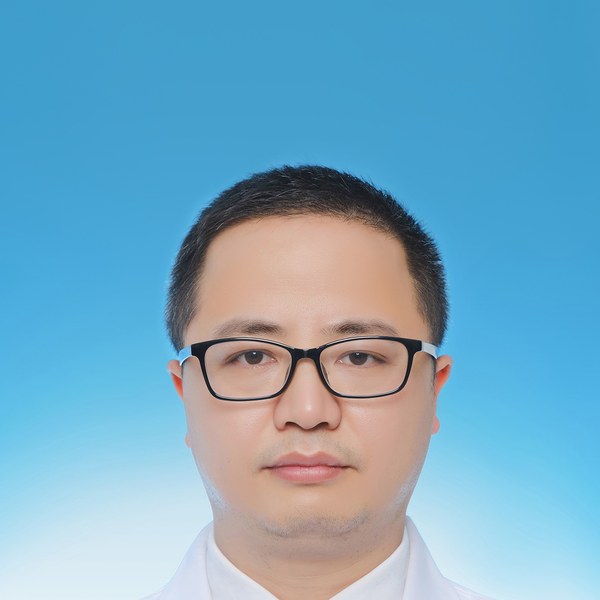
Shaoliang Wang (王韶亮)

Director, Plastic Surgery & Aesthetics Medical Center · Vice Chief Physician, Associate Professor, Doctor of Medicine

Center leadership · medical standards and complex cases

Dr. Shaoliang Wang is Director of the Plastic Surgery & Aesthetics Medical Center at Chongqing West District Hospital. Within the team he provides the surgical perspective and the tertiary-hospital backstop — the assessment when an operation is the honest answer, and the hospital-level care for the rare complication that needs it.

Within this site his part is the standard the plan has to meet and the backstop behind it. Cases where a skin problem turns out to have a systemic cause, or where an earlier treatment has left the skin reactive, are handled within this part of the service.

Clinical focus

  • Center leadership and multidisciplinary case review
  • Surgical assessment when an operation is the honest answer to descent or excess skin
  • Hospital-based care for the rare complication that needs theatre-level management
Tongchun Mao

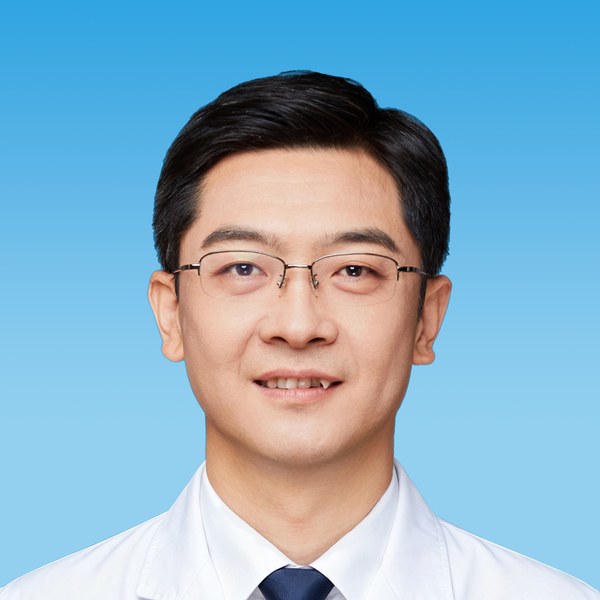
Tongchun Mao (毛彤春)

Deputy Director & Head of Aesthetic Surgery · Vice Chief Physician, Licensed Aesthetic Attending

Aesthetic surgery · referral when the answer is not dermatological

Dr. Tongchun Mao is an aesthetic surgeon within the Plastic Surgery & Aesthetics Medical Center at Chongqing West District Hospital. Within the team his role is refinement and honest referral: he is the person who says so when an operation will do better than an injectable or a device.

Within this site his part is the assessment of a face whose redness has been controlled and whose remaining concern is shape rather than skin, and the judgement that a surgical answer is not appropriate while the skin is still actively inflamed.

Clinical focus

  • Aesthetic surgical assessment and refinement of contour and asymmetry
  • Honest referral when surgery outperforms a course of injections
  • Shared case planning within the four-physician team
Ke He

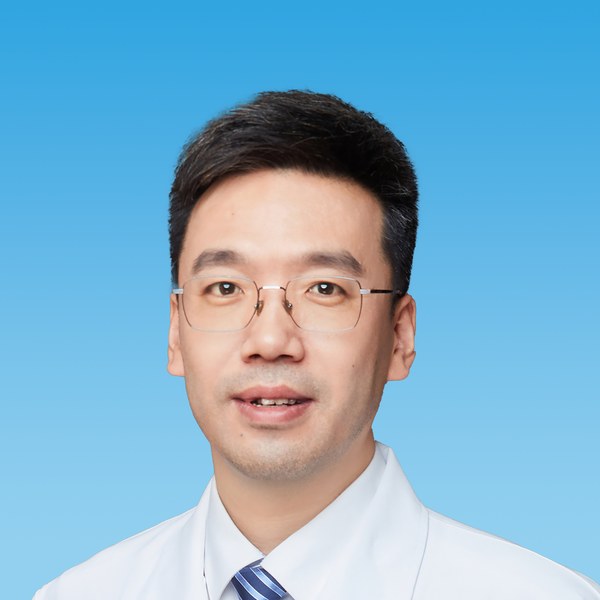
Ke He (何锞)

Deputy Director & Head of Skin & Laser Aesthetics · Attending Physician, Licensed Aesthetic Attending

Skin and laser aesthetics · barrier repair and light treatment

Dr. Ke He is Deputy Director and head of skin and laser aesthetics within the Plastic Surgery & Aesthetics Medical Center at Chongqing West District Hospital. Within the team her role is the device and injectable assessment, and the honest referral when a problem needs an operation rather than a needle.

Within this site her part is the barrier: assessing skin that stings and burns, simplifying a routine that has been layered beyond what the skin can tolerate, and the light-based treatment of fixed redness and visible vessels once the medical work is done.

Clinical focus

  • Device and injectable assessment before any treatment plan
  • Staged planning judged against standardised photographs
  • Honest referral when a problem needs an operation rather than a needle

Start with what is provoking it

Arrange a dermatological assessment. We will take the history that separates the patterns, look for a medical cause where one is possible, and explain why the first steps are topical and medical rather than procedural.

Contact the Team